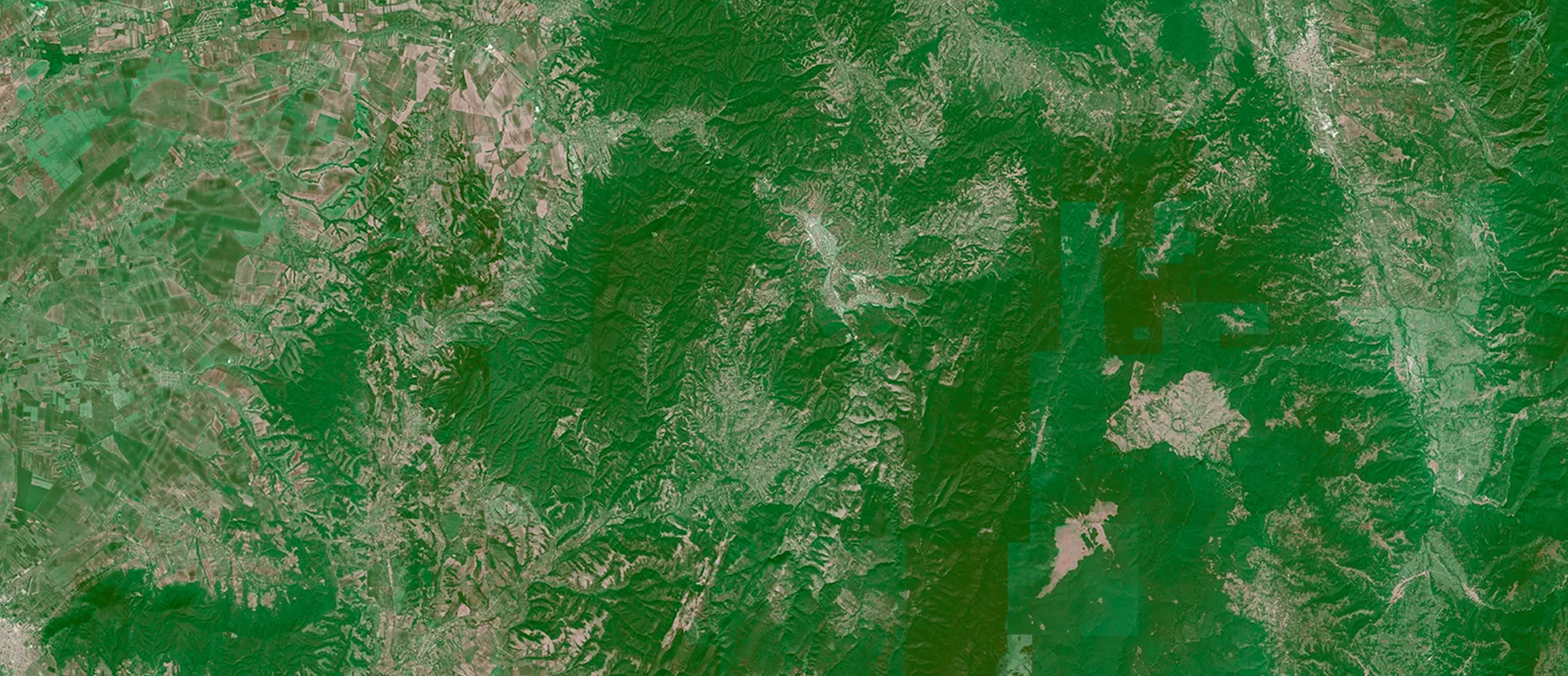

The Banat Mountains, situated in the Western Part of Romania, represent a post-industrial region undergoing profound socio-economic and spatial transformation. Historically linked to mining and extractive industries, the area has experienced substantial deindustrialization and demographic decline since the early 1990s, following the collapse of state-supported heavy industries. Today, the region comprises a constellation of small and medium-sized towns, former industrial settlements, and expansive forested and mountainous landscapes. The physical and socio-economic legacy of the extractive era remains visible through brownfield sites, decaying infrastructure, and underutilized public facilities.
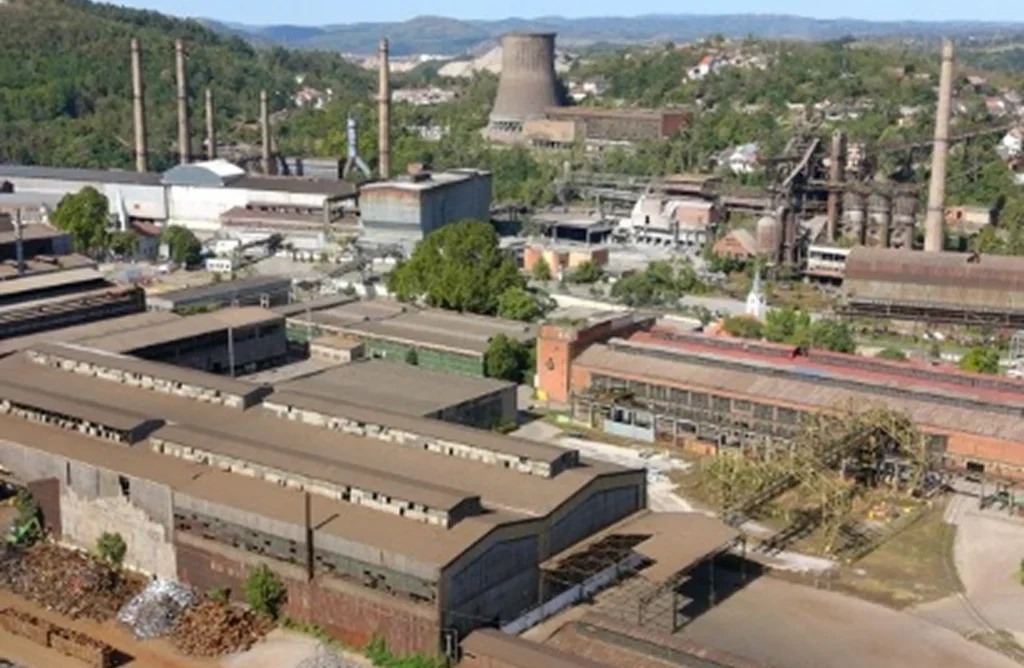
In recent years, the territory has garnered renewed attention due to its inclusion in the Integrated Territorial Investment mechanism, which supports sustainable redevelopment in structurally disadvantaged regions. Local actors are engaged in reimagining the region’s future through green economy initiatives, ecotourism, and energy efficiency programs. Despite institutional fragmentation and infrastructural inertia, the Banat Mountains have emerged as a significant test case for implementing integrated strategies that couple environmental restoration with social and spatial regeneration.
The region exemplifies the challenges and opportunities of intermediate territories in Eastern Europe, where post-industrial decline intersects with ecological potential and policy-driven innovation.
In the Banat Mountains, Positive Energy Districts are being explored as strategic tools for reactivating abandoned or underutilized sites while promoting sustainable energy practices across a dispersed and historically industrialized landscape. Rather than replicating dense urban PED models, the approach focuses on adapting the concept to the specificities of post-mining environments and low-density settlements. PEDs are envisioned as multi-functional clusters that integrate renewable energy production, public infrastructure reuse, and community engagement. Emphasis is placed on brownfield redevelopment, particularly the transformation of former mining facilities into energy hubs that combine photovoltaic installations, storage systems, and educational centers.
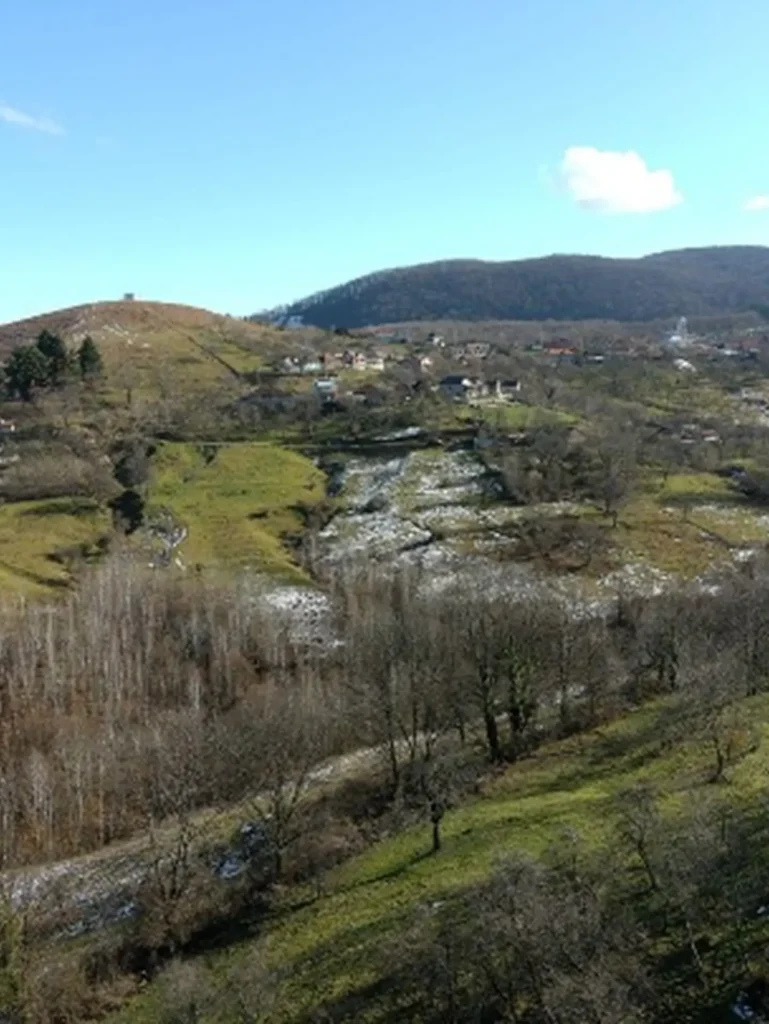
Technical strategies also include retrofitting of housing stock, improving building envelopes, and integrating digital monitoring systems to optimize consumption and distribution. Governance is multi-level, involving local authorities, civil society organizations, and national bodies within the framework of the Just Transition. Participatory design and stakeholder engagement are central to the implementation process, aiming to rebuild trust and co-produce context-sensitive solutions. Living labs serve as platforms for iterative experimentation, knowledge sharing, and cross-sector dialogue. The PED framework acts as a catalyst not only for decarbonization but also for strengthening regional identity, activating local economies, and redefining spatial imaginaries in the Banat Mountains.
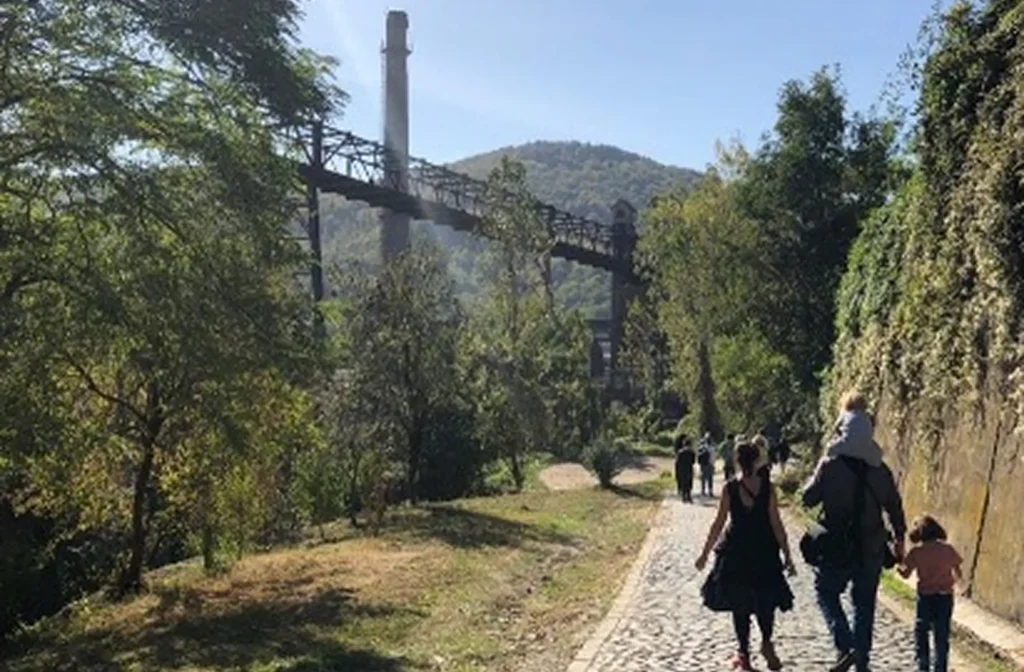
Expected outcomes of the PED implementation in the Banat Mountains include new models of energy-driven regeneration tailored to post-extractive and structurally marginalized regions. The project aims to establish replicable methodologies that align energy transition with ecological restoration, spatial transformation, and social innovation. Deliverables encompass spatial energy scenarios, co-produced governance tools, policy recommendations, and site-specific implementation guidelines.
Through collaborative design processes and demonstration projects, the initiative aims to establish a network of decentralized energy systems that are integrated into the local landscape and institutional framework. The integration of PEDs into broader regeneration strategies is expected to stimulate new forms of local cooperation, foster the emergence of energy communities, and contribute to a culture of sustainability.
Challenges include navigating regulatory barriers, securing investment, and coordinating action across administrative levels. Nevertheless, the participatory and transdisciplinary approach adopted by the project is designed to build long-term capacity, foster institutional learning, and enable transformative adaptation. By anchoring energy infrastructures in the material and cultural specificities of place, the Banat Mountains case provides critical insights into how PEDs can support equitable and resilient transitions in peripheral European territories.