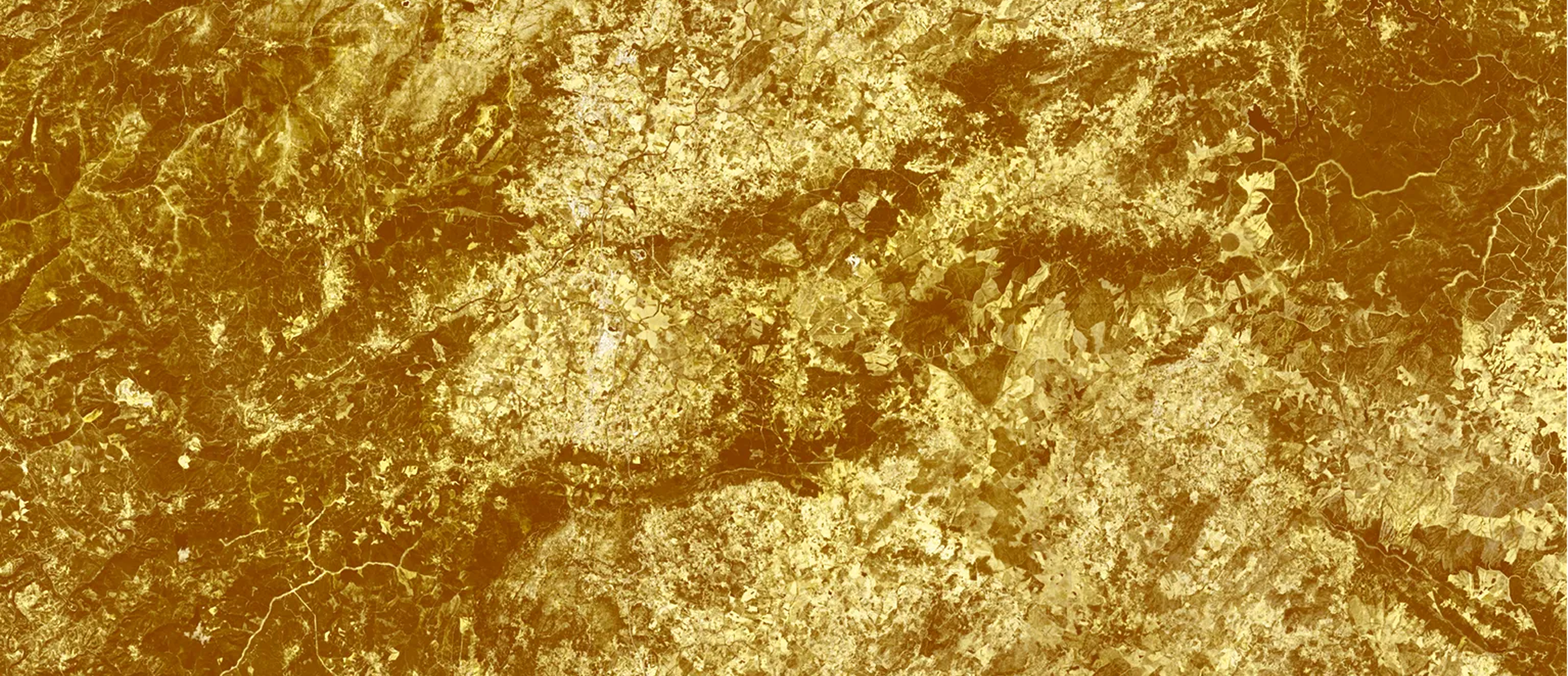

The Beira Interior region, located in the central mountainous zone of Portugal, is emblematic of the challenges and latent capacities of intermediate territories. The municipalities of Fundão and Manteigas, situated within this region, exemplify the socio-spatial conditions of many inner Portuguese areas: demographic decline, ageing populations, structural economic shifts, and recurrent environmental stress. Historically shaped by agricultural production, pastoralism, and small-scale industries, these territories have experienced significant depopulation and disinvestment since the mid-20th century, which has been exacerbated by national policies favouring coastal and metropolitan development. Yet, Beira Interior also embodies unique assets: rich ecological systems (including part of the Serra da Estrela Natural Park), historic urban cores, and emerging dynamics of social and technological innovation.
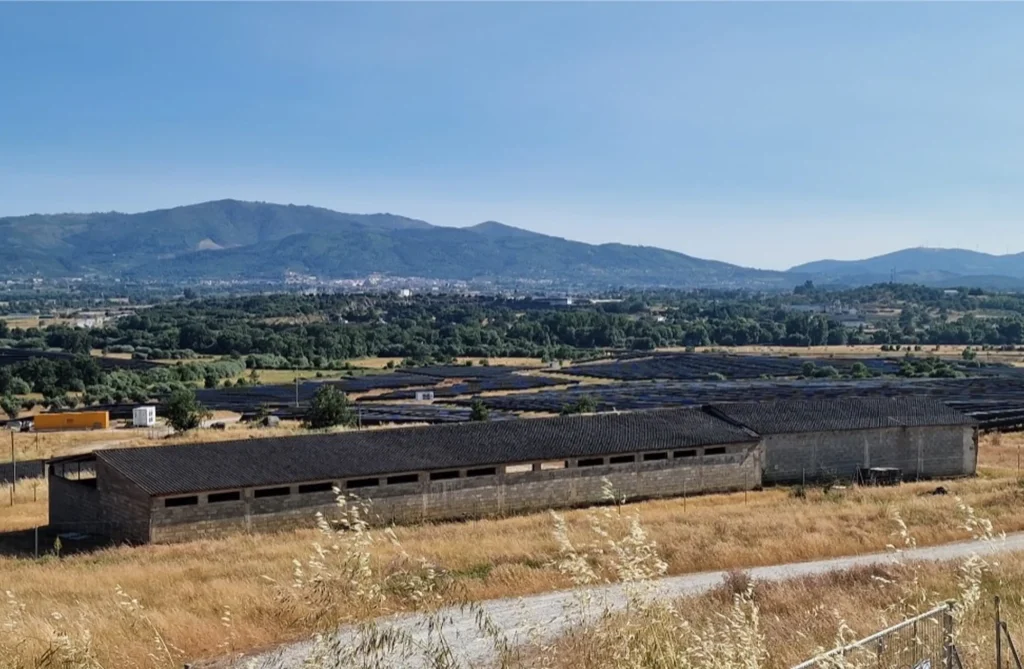
Local actors have responded to structural fragility through ambitious place-based strategies, including digital inclusion programs, heritage preservation initiatives, and environmental regeneration schemes. Within this framework, they are developing new models of territorial revitalization that aim to integrate low-carbon transition with cultural identity and social cohesion. This context makes Beira Interior a particularly relevant site for interrogating the spatial and institutional conditions under which energy transition can support regeneration in remote, polycentric, and heritage-rich regions.
In Beira Interior, the implementation of Positive Energy Districts operates within the broader ambition to foster socio-ecological resilience through community-based innovation and territorial integration. PEDs are conceptualized not as dense urban districts, but as distributed and networked infrastructures integrated within historical, low-density settlements. This necessitates a rethinking of both the spatial scale and functional composition of PEDs, tailored to the morphology and governance of small towns and rural-urban interfaces. Key implementation strategies include retrofitting historic buildings for enhanced energy efficiency, deploying micro-renewables (such as solar photovoltaics and small hydroelectric systems), and integrating storage and smart grid technologies. These technical components are closely aligned with heritage preservation constraints, landscape sensitivities, and tourism-based economies.
Energy transition is approached not solely as a technical issue, but as a cultural and territorial process that engages local knowledge, aesthetic values, and participatory governance. Municipalities, local associations, and regional innovation agencies are involved in co-design activities to identify needs, opportunities, and obstacles. The project leverages previous experiences in digital inclusion, circular economy, and rural entrepreneurship developed in Fundão, as well as Manteigas’s positioning within conservation and eco-tourism agendas. PEDs in this context become a mechanism to support territorial equity, reduce energy poverty, and strengthen the collective agency of small communities navigating demographic and climatic pressures.
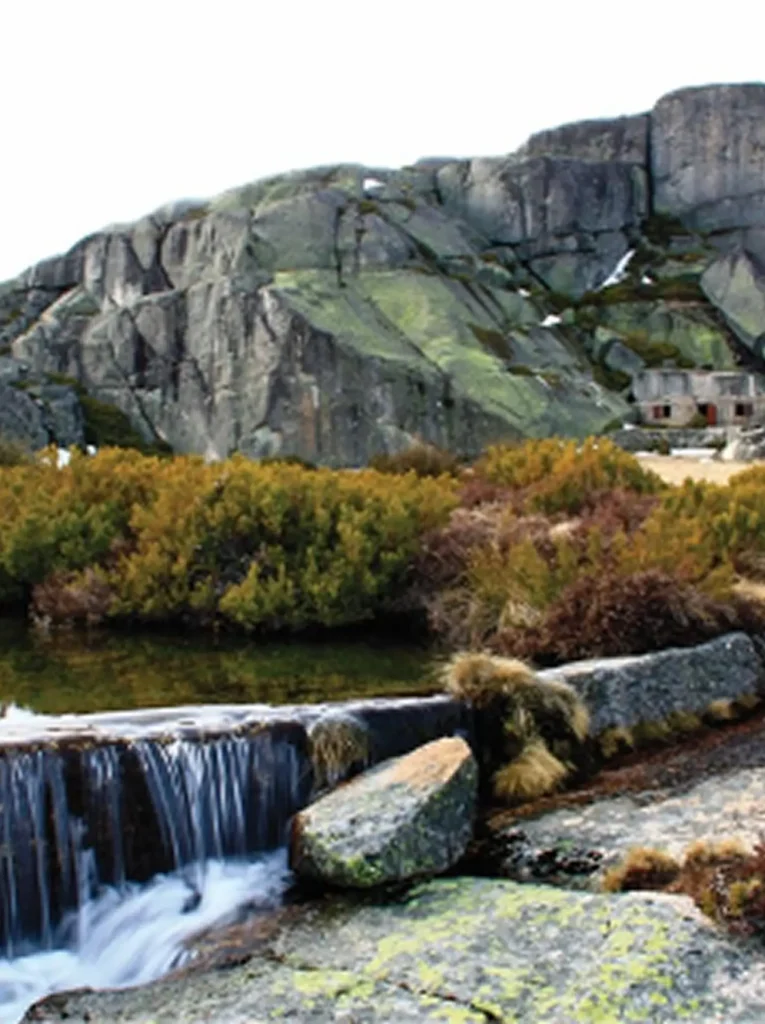
Expected outcomes in Beira Interior include the generation of site-specific PED models that can serve as reference frameworks for other historic and low-density areas across Europe. By embedding energy transition into broader regeneration processes, the project aims to develop spatial strategies and policy tools that address not only decarbonization but also socio-economic revitalization, cultural continuity, and environmental stewardship. Key outputs will include integrated energy plans, regulatory guidelines for heritage-sensitive retrofitting, and models for participatory energy governance. Living labs will facilitate knowledge exchange and adaptive experimentation, allowing local actors to test and refine energy solutions within their specific socio-spatial contexts.
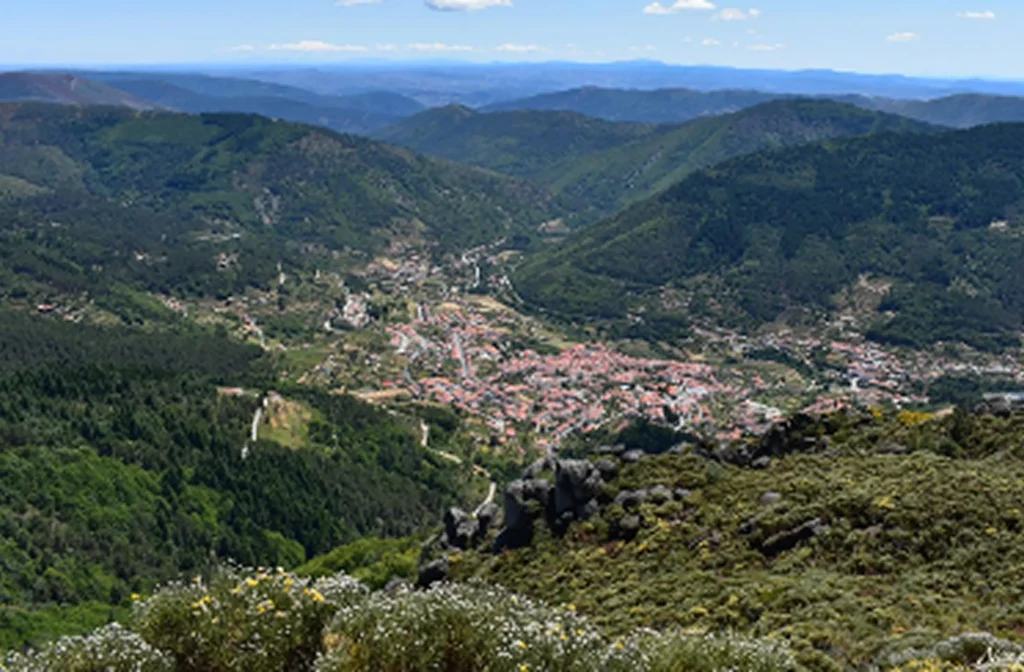
The project anticipates challenges, including limited technical capacity, dispersed decision-making structures, and constrained financial resources, yet it seeks to address these through multilevel collaboration and capacity-building initiatives. Particular attention is given to fostering inclusive energy citizenship and bridging generational gaps in decision-making, ensuring that transition strategies resonate with both long-term residents and younger, often digitally engaged, populations. By linking energy infrastructures with cultural narratives and collective memory, the project aims to contribute to a form of transition that is not only ecologically and economically sustainable but also socially embedded and locally owned. Beira Interior thus offers a critical laboratory for testing how PEDs can activate dormant assets, support cohesive territorial development, and expand the reach of the Green Deal into Europe’s peripheral and heritage-rich regions.